
For over 40years we have been wiring, rewiring, lighting up, warming to, cooling off, powering up the houses of Norwich, and Norfolk, and we’re not done done yet.
We can provide electrical systems and wiring to newly built properties, extensions and also undertaken the rewiring of your property/building. We also offer the following services;
- Additional Sockets/Lights
- Extensions
- Rewires
- Garden Rooms
- New Builds
- Barn Conversions
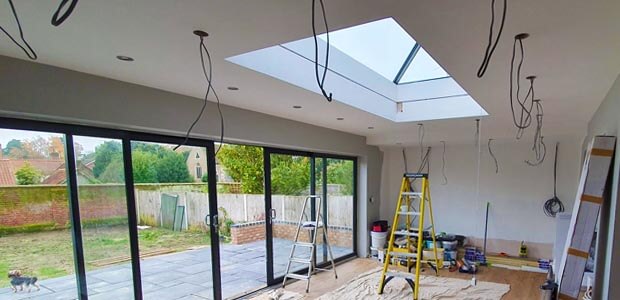
New Houses & Extensions
We have wired private housing estates, one off houses, from 2 bedroom bungalows to 7 bedroom houses, with dual aspect and swimming pool, as we are sure an estate agent would describe them.
Its sometimes hard to picture how the rooms will be when its all blocks and stud work, so we can design and advice you on the layout of your new house
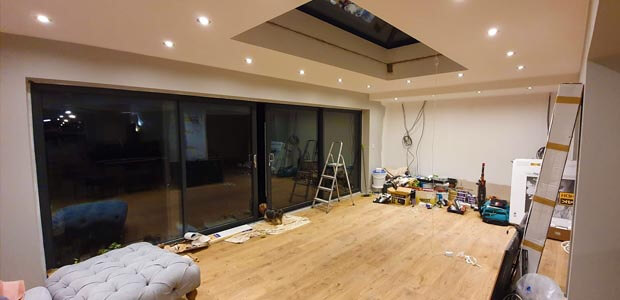
Rewires
If you are here because you think you might need a rewire then we can help, we can give you a Free check and Quote.- Is the cable Black (called tough rubber), cloth or lead coated
- Fuse Board, is it a wooden box, cast iron switches, a mixture of fuses.
- Round pin sockets, ceiling roses have fabric covered cables twisted together, sockets mounted on the skirting board
- Light switches, have wooden boxes, or round black switches
- Do the lights have an earth wire
- Your electrics no longer meet your needs
- Incoming services like Gas, Water, Oil are Earthed to the fuse board
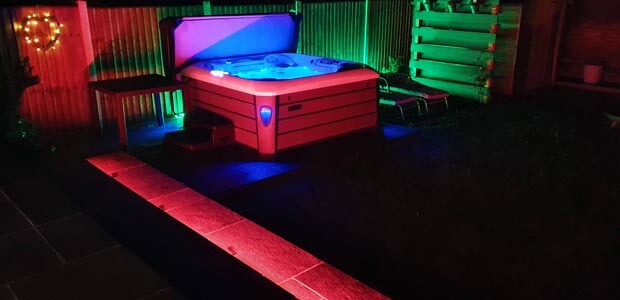
Garden and Exterior
If you are here because you think you might need a rewire then we can help, we can give you a Free check and Quote.
Landlords
If you are here because you think you might need a rewire then we can help, we can give you a Free check and Quote.
Part P
The specific section of the Building Regulations for England and Wales that relates to electrical installations in domestic properties. Part P provides safety regulations to protect householders, and requires most domestic electrical work to be carried out by government-registered electricians, or to be inspected by Building Control officers.What will happen if you don’t follow the regulations?
- You will have no certificate to prove that the work has been carried out by a registered electrician, or that the work performed has been passed as safe by your local building control.
- It may be problematic when it comes to selling your home if you cannot produce evidence that electrical work has been carried out in accordance with the Building Regulations.
- It is a criminal offence to carry out work that does not comply with building regulations, with a maximum fine of £5,000.
- Your local building control may insist that you re-do the electrical work
The requirements of Part P apply to most electrical work in your home. There are however, certain relaxations that apply for minor work.
Minor work
‘Minor work’ is electrical work that does not involve the addition of a new circuit, for example adding new sockets or light switches to an existing circuit, or the replacement of sockets, light switches and ceiling roses. This work does not have to be undertaken by a registered electrician and you do not need to notify your local building control office. However, ALL electrical work must comply with BS 7671, the wiring regulations.
High risk locations
Kitchens, bathrooms and gardens are classed as ‘special locations’ because the risk of electric shock is greater. Unless you are only replacing accessories, work in a kitchen, bathroom, garden or outbuilding must either be undertaken by a registered electrician or notified to building control.
With so many electrical appliances in your kitchen, combined with the mixture of hot surfaces and water, it is important that the electrical installation is safe. When installing a new kitchen, it is advisible you use a registered electrician or kitchen installer to do the electrical work.
External electrical installations can be particularly hazardous due to the presence of water and the extremes of weather, which can make equipment deteriorate faster.